


Key Takeaways
- Multi-currency or travel cards can make travel cheaper and more convenient by helping you avoid high foreign exchange fees.
- Some travel cards, like those from Wise and Revolut, let you exchange currencies in advance and withdraw cash from overseas ATMs.
- Some cards, such as Trust Cashback Card and Chocolate Finance Visa Debit Card, offer perks such as cashback or air miles.
Remember when we used to queue up at money changers before an overseas trip? Those days are over, thanks to the emergence of multi-currency cards or travel cards. Instead of lugging cash around or using a credit card with high foreign exchange (FX) fees, use a multi-currency card that charges no or low foreign transaction fees, offers low FX spreads, and lets you benefit from the best-in-class exchange rates.
If your card comes with a multi-currency wallet, you can exchange, store currencies, and lock in favourable exchange rates. In foreign countries, you can simply pay with your card and withdraw cash from overseas ATMs, eliminating the need to walk around with large wads of cash.
To sweeten the deal, some travel cards, such as the Trust Cashback Card, Chocolate Finance Visa Debit Card, Mari Credit Card, and GXS Debit Card, offer additional perks such as cashback or miles.
With so many travel card options available, sniffing out the best travel card in Singapore can be tricky. That’s why we’ve done the legwork for you by examining the pros and cons of the best multi-currency cards in Singapore.
Overview: 8 Best Multi-Currency Cards in Singapore
| YouTrip | Wise | Revolut | Trust Cashback Card | Instarem Amaze | Mari Credit Card | Chocolate Finance Visa Debit Card | GXS Debit Card | |
| Currencies for holding and exchange | 12 | 40+ | 30+ | – | 11 | – | SGD and USD | SGD |
| Currencies/countries or card spending | 150+ | 160+ | 150+ | Multiple | 60+ | Multiple | Multiple | Multiple |
| Foreign currency exchange rate | Mid-market rate | Mid-market rate | Own variable rate | Visa exchange rate | Close to mid-market rate | Mid-market rate for eligible currencies, otherwise Mastercard exchange rate. | Visa exchange rate | Mastercard exchange rate |
| Foreign transaction fees | 0% | 0% | 0% on up to S$5,000/month, 1% on weekends (Standard Plan) | 0% | 0%
Using linked cards, up to 2.1% FX spread |
0% | 0% | 0% |
| Monthly overseas ATM withdrawal fees/limits | S$5,000 a day limit
Up to S$400 free, then 2% |
2 withdrawals/month of up to S$350 free, then 1.75% + S$1.50
From 1 May 2026: up to S$100 free, then 1.75% fee |
5 withdrawals/month of up to S$350 free, then 2% or S$1.49, whichever is higher | Free unlimited withdrawals | S$1,000 a day limit
2% fee |
No ATM withdrawals | No ATM withdrawals | No ATM withdrawals |
| Top-up fees for SGD | Free except 1.5% for Visa credit cards | Free for PayNow /bank Transfer, otherwise variable fee | Free for Singapore bank transfer, otherwise 0.3% to 2.08% fee | – | Free for PayNow | – | – | – |
| Perks | – | – | – | Unlimited 1% cashback on local spending
0.5% cashback on overseas spending |
Link up to five Mastercard credit/debit cards
Earn InstaPoints and convert to KrisFlyer miles *Note: Up to 1% fee (min. S$0.50) applies to SGD transactions |
1.5% cashback | 1 Max Mile by HeyMax per S$1 spent | Earn up to S$5 cash rewards per transaction of at least S$10 |
Which Multi-Currency Card Offers the Best Foreign Exchange Rates?
Multi-currency cards offer exchange rates derived from one or more of the following:
- Mid-market rate
- Visa exchange rate
- Mastercard exchange rate
- Their own variable rate (Revolut)
What is the difference between these rates?
The mid-market rate, also known as the interbank rate, is the actual exchange rate, as reflected on search engines or currency converter websites such as xe.com. This is generally the lowest possible exchange rate.
Visa and Mastercard offer exchange rates that are considered competitive and close to the mid-market rate. The difference is almost negligible, though Mastercard’s rates are often slightly more competitive than Visa’s.
Of the eight multi-currency cards featured here, only Revolut uses its own variable exchange rate. They do not disclose how this rate is calculated. Right now, Revolut’s rates seem more competitive than Visa’s and Mastercard’s rates for key currencies, but they can change their spreads at any time without disclosure.
If you are looking for the absolute lowest exchange rates, opt for a card that uses the mid-market rate with no added fees or spreads. But if you really want to lock in good exchange rates, use a card with a multi-currency wallet that lets you lock in rates ahead of time.
Wise Card: Best for Holding Multiple Currencies and Overseas Transfers
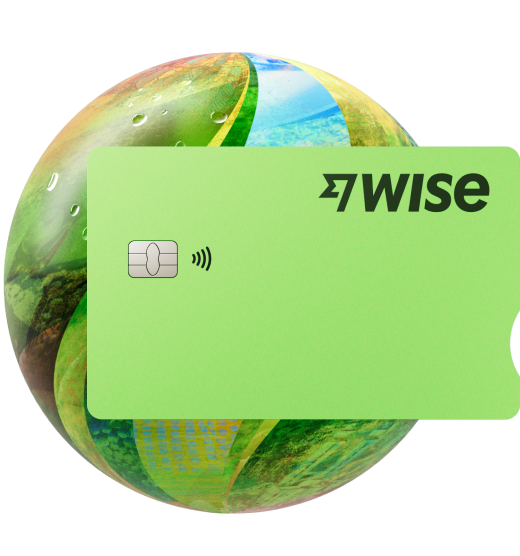
Looking for a true multi-currency wallet that lets you exchange currencies in advance to lock in good rates? Wise is a good option thanks to the wide range of 40+ currencies that can be exchanged and held. Wise uses the mid-market exchange rate with a small, transparent fee plus no hidden markups.
Wise also enables you to send money to accounts in 160+ countries and offers two free ATM withdrawals of up to S$350 a month, making it ideal for travellers. Note that from 1 May 2026, the free ATM withdrawal limit will be reduced to S$100 per month, after which a 1.75% fee applies on amounts exceeding this limit and the existing S$1.50 fixed fee will be removed.
Pros of Wise
- Wallet supports the highest number of currencies (40+)
- Card can be used in 160+ countries
- International transfers supported
- Two free ATM withdrawals of up to S$350 per month (until 30 April 2026)
- No foreign transaction fees
- No account opening or maintenance fees
- Card can be frozen and unfrozen using the app to prevent unauthorised transactions
- Supports up to three virtual cards
- Available on Google and Apple Wallet, and selected e-wallet apps like Touch ‘n Go
Cons of Wise
- 1.75% + S$1.50 fee for ATM withdrawal above limit (S$1.50 fee removed from 1 May 2026)
- Free withdrawals capped at S$100 per month (from 1 May 2026)
- Instant direct debit from wallet presents risk of loss in fraudulent transactions
- No additional perks such as cashback
Revolut Card: Best for Financial Features
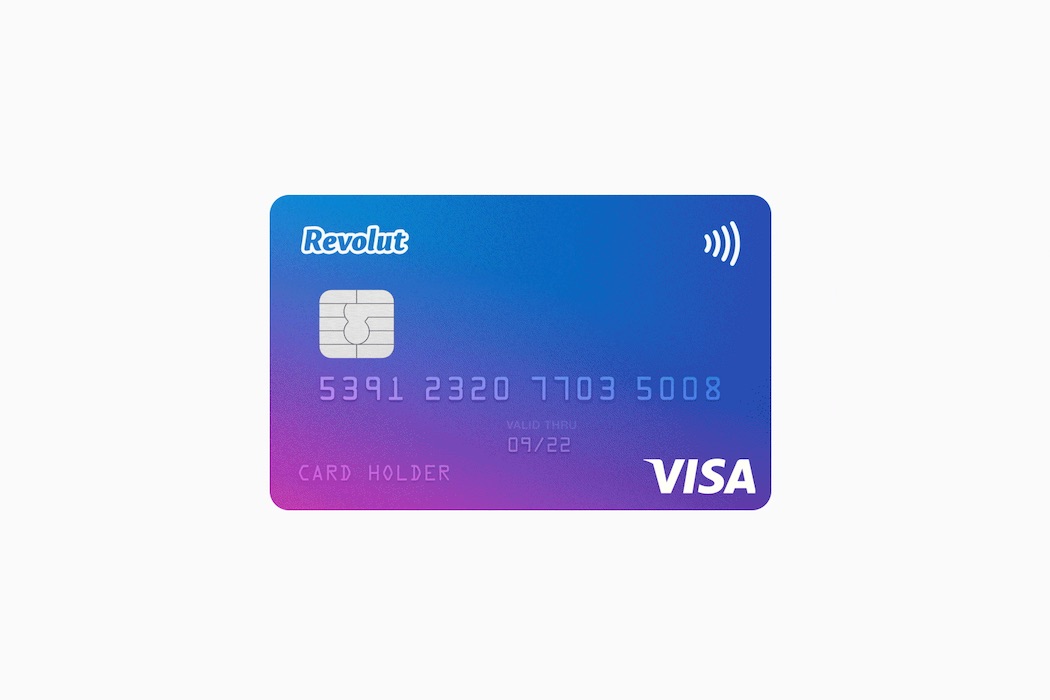
Revolut is a multi-currency debit card offering strong international support. The Revolut wallet can hold 30+ currencies, and you can use your card to transact in 150+ countries. It is thus a good option for expats, digital nomads, and global citizens. Revolut is more than just a multi-currency wallet — the mobile app offers features such as free budgeting and investment tools.
As a multi-currency wallet, it works well, offering up to five free ATM withdrawals (capped at S$350 for Standard members) per month, as well as attractive exchange rates. The main disadvantage for Standard users is that currency exchanges made on weekends will incur a 1% fee. You can easily get around that by exchanging your currencies on weekdays to spend on the weekend.
Pros of Revolut
- Wallet supports a large number of currencies (30+)
- Card can be used in 150+ countries
- International transfers supported
- No foreign transaction fees
- 5 free overseas ATM withdrawals of up to S$350 (Standard), S$700 (Premium) or $1,050 (Metal)
- Comprehensive suite of products and tools for spending, investing, trading, and budgeting
- Free subscription to lifestyle, news, and productivity apps such as NordVPN Plus, Financial Times, ClassPass, MasterClass, SleepCycle Premium, The Athletic, and more (Metal plan only)
Cons of Revolut
- 1% foreign transaction fee for currency exchange on weekends for Standard members
- 2% or S$1.49 fee for ATM withdrawals beyond the limit
- S$10.99/month and S$21.99/month for Premium and Metal plans, respectively
- Up to 1% fee charged for transactions of S$5,000 or more
- Instant direct debit from wallet presents a risk of loss in fraudulent transactions
YouTrip Card: Best for Overseas Spending
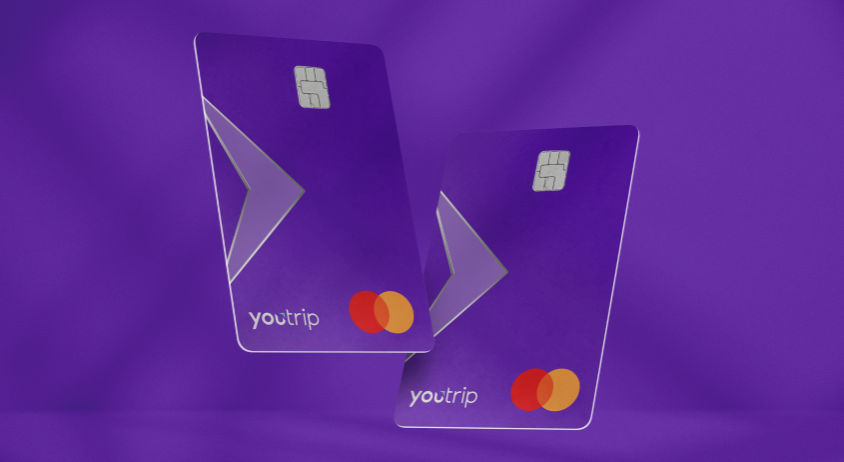
YouTrip makes spending overseas incredibly easy. The multi-currency wallet supports 12 currencies, letting you exchange money at competitive exchange rates in advance before your trip — perfect when rates are favourable.
Once overseas, the card also offers a relatively high limit of S$400 free overseas ATM withdrawals. Overall, it is a solid card if your main purpose is to exchange currency for overseas trips. The YouTrip card annual fee doesn’t exist, either!
You can also make international money transfers to over 40 countries at competitive exchange rates and no hidden fees. Top-ups must be made in SGD via PayNow and linked bank accounts.
Pros of YouTrip
- Free S$400 overseas ATM withdrawals per month
- Competitive wholesale exchange rates
- Seamless app experience
- Supports over 150 currencies worldwide
- Hold and exchange 12 currencies, including SGD, USD, MYR, THB, JPY, EUR, GBP, AUD, and more
- Send money overseas to 40+ currencies at low fees and no markups
Cons of YouTrip
- Limited currencies for holding and exchanging
- Instant direct debit from wallet presents a risk of loss in fraudulent transactions
- Limited features
- Only supports 1 virtual card
Trust Cashback Card/Chocolate Finance Visa Debit Card/Mari Credit Card/GXS Debit Card: Best for Rewards/Cashback
If you’re looking to earn cashback, air miles, or rewards points as you spend overseas, you’ll want to consider one of the following travel cards.
Trust Cashback Card: 0.5% Cashback on Foreign Spending, 1% Cashback on Local Spending
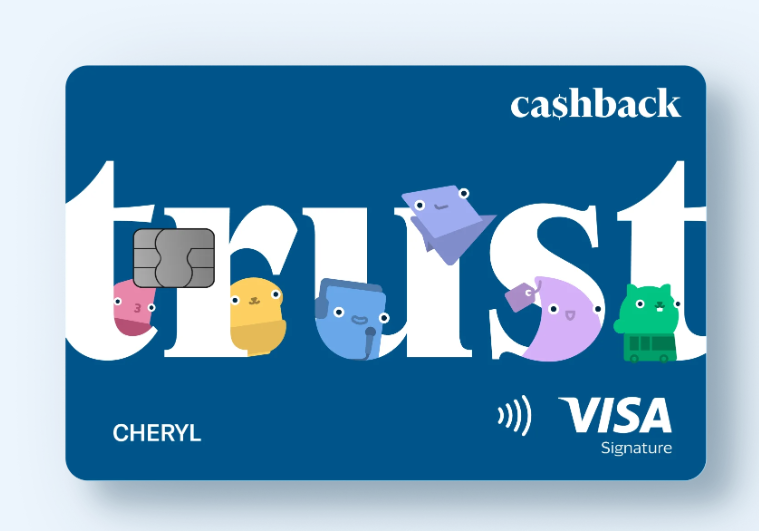
Trust Cashback Credit Card is a solid choice when it comes to cashback, as it offers 0.5% unlimited cashback on all eligible foreign currency transactions, whether incurred overseas or online. On top of this, you’ll enjoy competitive Visa exchange rates with no additional markups and fees.
You can also earn unlimited 1% cashback on all eligible local transactions with effect from 1 March 2026.
Trust Bank also offers the Trust Instant Loan, a personal loan offering competitive interest rates and fast approval.
Pros of the Trust Cashback Credit Card
- Free unlimited overseas ATM withdrawals (subject to maintaining a balance in your Trust Savings Account)
- Competitive Visa network foreign exchange rate
- Unlimited 1% cashback on local spend, including those in your preferred category previously
- 0.5% unlimited cashback on non-SGD transactions
- Better fraud protection in the event of disputes as money is deducted from credit, not own funds
Cons of the Trust Cashback Credit Card
- Can’t lock in exchange rates
- No wallet feature
- Can’t make money transfers
- Mediocre 1% cashback on SGD spending
Chocolate Finance Visa Debit Card: Best for Frequent Flyer Miles
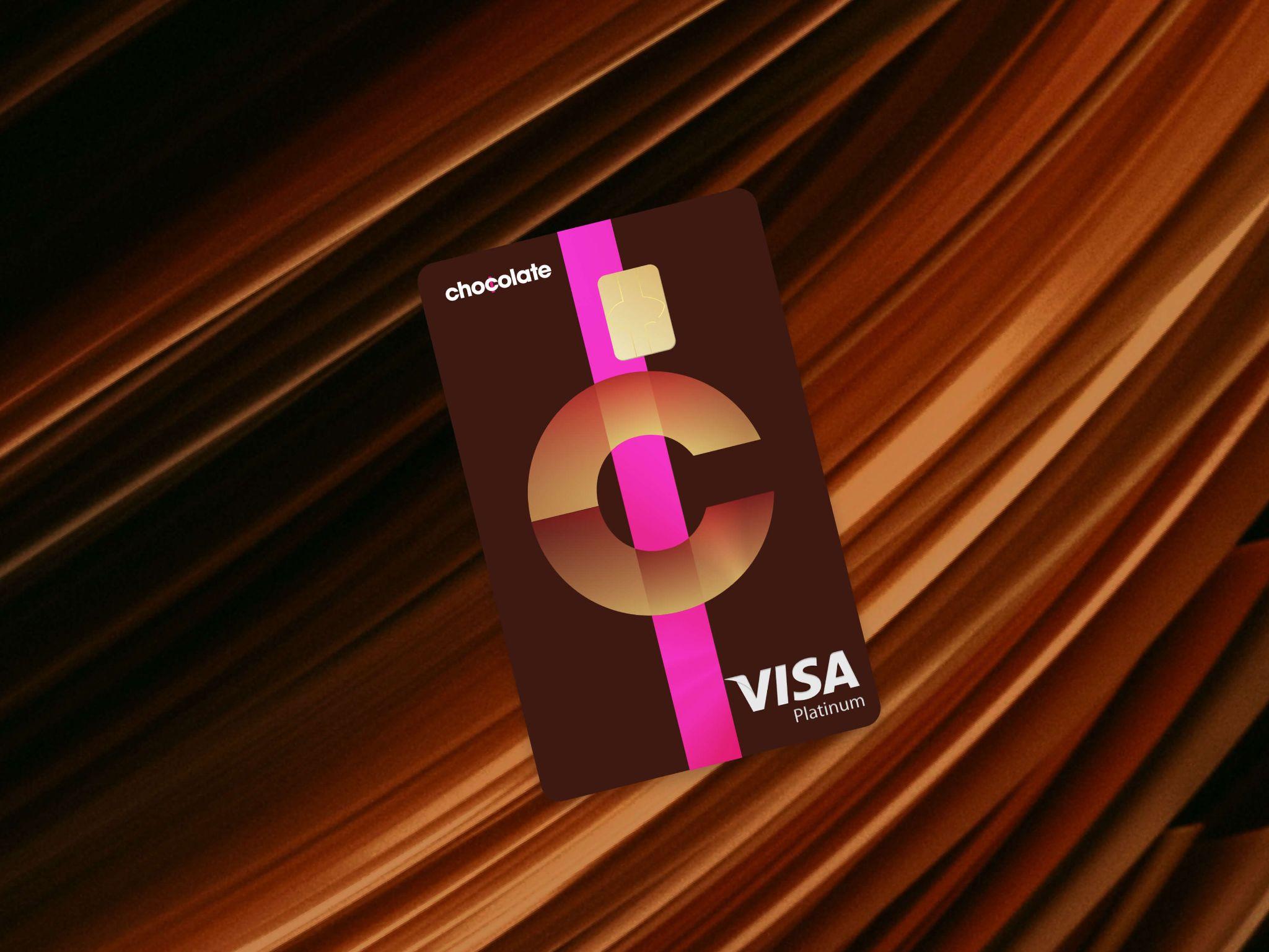
If your goal is to rack up frequent flyer miles, opt for the Chocolate Finance Visa Debit Card, which lets you earn 1 HeyMax mile per S$1 spent, for up to S$1,000 per month. After hitting the S$1,000 limit, you earn 0.40 miles for each subsequent S$1 spent. The Chocolate Finance Visa Debit Card uses the prevailing Visa foreign transaction rate, with no additional fees or markups.
You can also multiply your miles earn rate by maintaining a balance of at least S$5,000 in your account. And in case you didn’t know, HeyMax miles can be transferred to 30+ airline and hotel partners, making them pretty versatile for travel buffs!
Pros of the Chocolate Finance Visa Debit Card
- Earn 1 HeyMax mile (Max mile) per S$1 spent (limited to first S$1,000)
- No foreign transaction fees
- No annual fees
- Earn interest in SGD and USD
- Transfer HeyMax miles to over 30 airline and hotel partners
Cons of the Chocolate Finance Visa Debit Card
- Only 0.4 Max Miles per S$1 when you spend beyond S$1,000
- General exclusions for spending
- No overseas ATM withdrawal
- Can only hold and exchange SGD and USD
- Instant direct debit from wallet presents a risk of loss in fraudulent transactions
Mari Credit Card: 1.5% Cashback in 2026
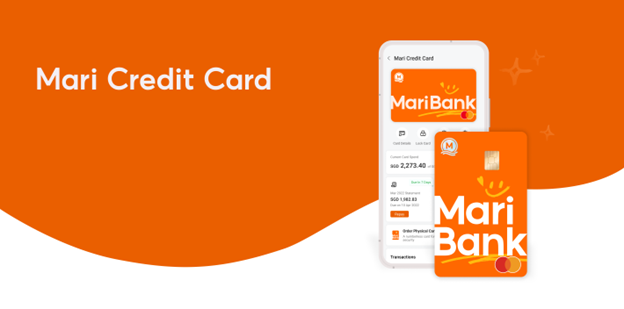
Mari Credit Card offers a very generous 1.5% cashback on all local and foreign currency spending, up to the first S$1,500 per month. Foreign currency transactions are processed at the Mastercard exchange rate, with zero markups and no foreign transaction fees.
The downside is that the cashback on foreign currency spending is valid until 31 December 2026, and it is unknown whether MariBank will extend the programme. Still, if you have a big trip coming up, it can be worthwhile to sign up for this card just for this year.
Pros of the Mari Credit Card
- 1.5% cashback on foreign currency spending for first S$1,500 per month (valid till 31 Dec 2026)
- 1.5% unlimited cashback for local SGD spending
- Competitive Mastercard exchange rates with no foreign transaction fees
- No annual fees
- Better fraud protection in the event of disputes as money is deducted from credit, not one’s own funds
Cons of the Mari Credit Card
- No overseas ATM withdrawals
- Can’t lock in favourable exchange rates
- No wallet feature
- Can’t make international money transfers
GXS Debit Card: Cash Rewards

The GXS Debit Card offers a cash reward of up to S$5 for transactions of S$10 or more. Each time you perform an eligible transaction, you’ll be entered into a draw to win a cash reward of up to S$5.
You’ll receive a notification via the GXS app informing you of the amount of the cash reward you’ve received. The cash will be credited directly to your linked savings account.
In addition, the GXS Debit Card uses the Mastercard exchange rate with no foreign transaction fees or hidden charges, resulting in exchange rates that are close to Google’s.
GXS Bank also offers the GXS FlexiLoan, a personal loan with low interest rates.
Pros of the GXS Debit Card
- Cash rewards of up to S$5 for each transaction of at least S$10
- Competitive Mastercard exchange rates
- Card can be frozen and unfrozen using the app to prevent unauthorised transactions
Cons of the GXS Debit Card
- No overseas ATM withdrawals
- Can’t lock in rates
- Instant direct debit from wallet presents risk of loss in fraudulent transactions
Instarem Amaze Card: Best for Linking With Mastercard
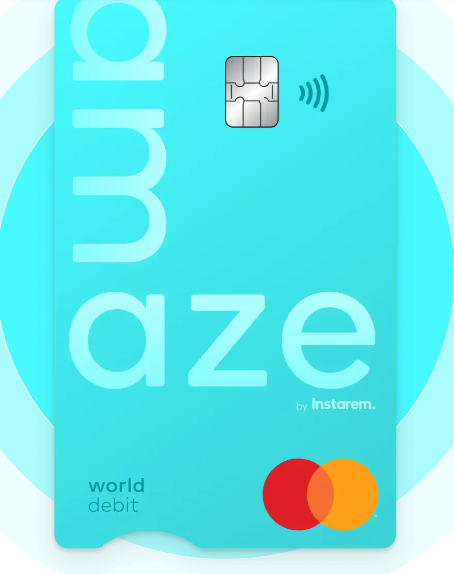
Instarem Amaze can be paired with up to five Singapore-issued Mastercard credit or debit cards. Instead of using the cash in your Instarem wallet, you can pay using one of your linked cards. This enables you to take advantage of any perks, such as cashback and air miles, offered by your linked cards. All spending on your linked cards will be converted to online spending.
If you choose to spend using your linked cards, Instarem Amaze will reduce the cost of your FX transaction by only charging a spread of up to 2.1%—most likely much cheaper than what your linked cards would otherwise charge for an overseas transaction.
In addition to the Amaze Card, Instarem offers a multi-currency wallet feature. This allows you to store and exchange 11 different currencies, including MYR, THB, JPY, USD, GBP, AUD, and more.
Pros of Instarem Amaze Card
- Can pair with up to five Mastercard credit or debit cards
- No annual fees
- Competitive exchange rates on wallet top-ups
- InstaPoints for wallet transactions (0.5 InstaPoints per S$1 spent)
- Fee markup of up to 2.1% for linked cards
Cons of Instarem Amaze Card
- Wallet only supports 11 currencies
- 2% fee on overseas ATM withdrawals
- Cannot be paired with some credit cards, such as UOB and DBS cards, to earn miles or cashback
- 1% or S$0.50 fee for local SGD transactions, whichever is higher, when using a linked card
Verdict: Which Multi-currency Card Suits You?
What’s the best travel card in Singapore? Well, the best multi-currency card for you depends on what you need most. If you’re looking for a multi-currency wallet letting you exchange and store currencies and make overseas bank transfers cheaply, you’ll want to opt for a true multi-currency card like Wise or Revolut.
If you’re mainly looking to take advantage of favourable exchange rates and withdraw cash from ATMs when you go overseas, YouTrip is a straightforward and easy-to-use option.
And if your goal is to rack up cashback, air miles or other perks, consider Trust Cashback Card, Mari Credit Card or GXS Debit Card for cashback and Chocolate Finance Visa Debit Card for air miles. You can also opt for the Instarem Amaze Card if you have existing Mastercard credit or debit cards you’d rather use.
Need some spare cash? Compare personal loans and apply online in minutes. You may chat with us for guidance or to learn more about our services. We’re more than happy to help!